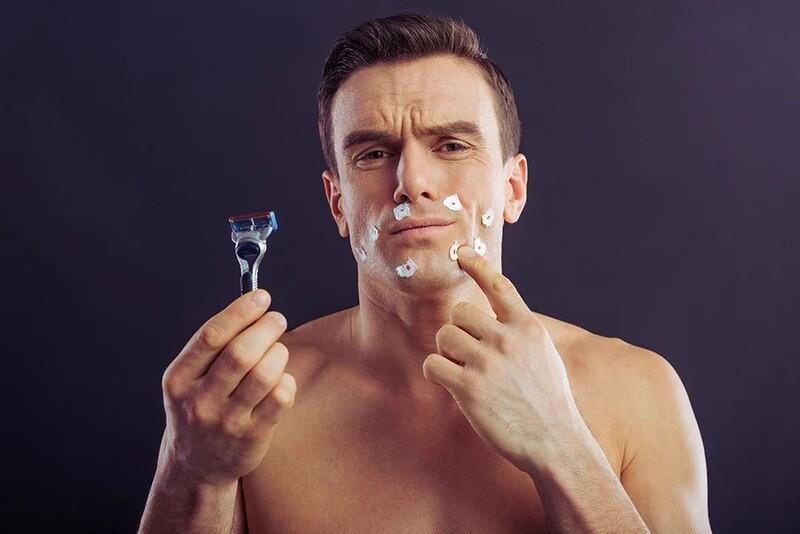
Shaving cuts are common and can happen to anyone, even experienced shavers. While most nicks are small, they can be frustrating when they keep bleeding and spoil an otherwise clean, smooth shave.
Although shaving cuts are usually minor, they can increase the risk of irritation and infection if not treated properly. In this guide, you’ll learn simple and effective ways to stop shaving cuts from bleeding using items that are commonly found at home.
Immediate Steps to Stop Shaving Cuts from Bleeding
1. Apply Direct Pressure
The first thing you should do is apply direct pressure. Take a clean tissue or cotton pad and press it gently but firmly on the cut. Hold it there for at least 1 to 2 minutes. Resist the urge to check if the bleeding has stopped too soon, as this can cause the wound to reopen.
Why does this work? Applying pressure constricts blood vessels, helping them to clot and stop the bleeding. Remember, don’t rub the area, as this can make things worse.

2. Rinse with Cold Water
Cold water is another quick way to reduce bleeding. Simply rinse the area with cold water. This helps by constricting blood vessels, slowing down the flow of blood. After rinsing, gently pat the skin dry with a clean towel.
Tip: Make sure the water is cold, not icy, to avoid skin irritation.
3. Use a Styptic Pencil or Alum Block
A styptic pencil or alum block is a handy tool to have in your shaving kit. Both are designed to stop bleeding quickly.
- Styptic Pencil: This contains aluminum sulfate, which tightens blood vessels and stops the bleeding almost immediately.
- Alum Block: A mineral block that not only soothes the skin but also helps constrict blood vessels.
To use either, wet the pencil or block, then apply it directly to the cut for a few seconds. You may feel a slight sting, but that’s normal.
4. Ice Cube Application
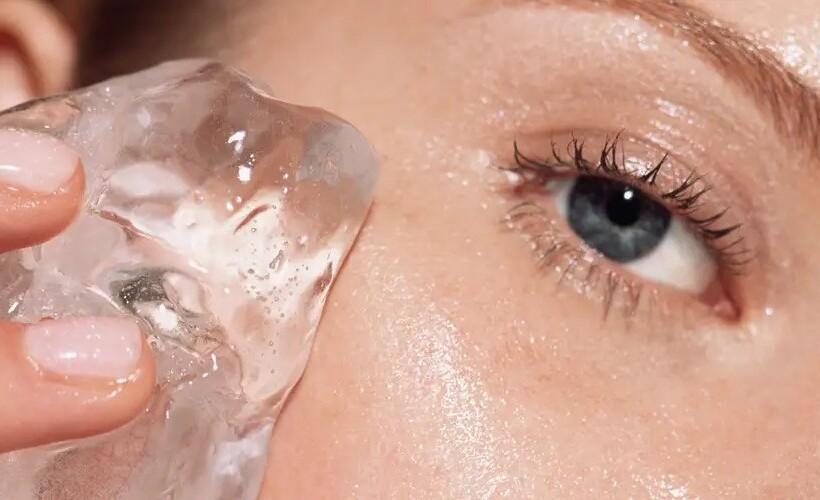
If you don’t have a styptic pencil or alum block, you can use an ice cube. Wrap it in a clean cloth and press it gently against the cut for about 1 to 2 minutes. The cold will constrict blood vessels and reduce blood flow, helping the bleeding stop faster.
Products and Remedies to Stop Shaving Cuts
1. Over-the-Counter Solutions
If shaving cuts are a common issue, there are products you can keep handy to make the process easier:
- Liquid Styptic: Like the styptic pencil, but easier to apply over larger areas. It stops bleeding quickly by constricting blood vessels.
- Antiseptic Balms: These balms not only stop bleeding but also help prevent infection by creating a barrier over the cut.
2. Natural Remedies
If you prefer natural solutions, here are a few effective options:
- Aloe Vera Gel: This soothes irritated skin and promotes clotting in minor cuts.
- Witch Hazel: An astringent that helps tighten blood vessels and clean the area.
- Honey: With natural antibacterial properties, honey helps to heal and prevent infection. Apply a thin layer to the clean cut.
3. Everyday Household Items
You can also use simple household items to stop bleeding:
- Lip Balm: This forms a waxy barrier over the cut, preventing further bleeding.
- Cayenne Pepper: Believe it or not, a pinch of cayenne pepper can help stop bleeding. It speeds up clotting, but avoid using it on sensitive or broken skin.

Preventing Shaving Cuts in the Future
1. Prepare Your Skin and Tools
A few simple steps before you start shaving can greatly reduce your chances of getting cut:
- Hydrate Your Skin: Shave after a warm shower or place a warm, damp towel on your skin for a few minutes. This softens the hair and skin, making shaving smoother.
- Use High-Quality Shaving Cream or Gel: Always apply a good layer of shaving cream or gel to reduce friction. Look for products with ingredients like aloe, glycerin, or coconut oil to keep your skin hydrated.
2. Blade and Razor Techniques
Using the right razor and technique makes all the difference:
- Use a Sharp Razor: A dull blade tugs at the skin, increasing the risk of cuts. Change your blade after 5 to 7 shaves, or whenever you feel resistance.
- Shave with the Grain: Always shave in the direction your hair grows to reduce irritation and the risk of nicks. Don’t press too hard; let the blade glide over the skin.
3. Shaving Accessories
Adding a few extra tools to your routine can help prevent cuts:
- Exfoliate Before Shaving: This removes dead skin cells, making it easier to shave without irritation. Use a gentle scrub or exfoliating brush.
- Use a Shaving Brush: A brush helps lift the hair for a cleaner, closer shave and distributes shaving cream evenly, reducing the chance of nicks.
Post-Shave Care to Heal and Prevent Cuts
1. Use a Soothing Aftershave or Balm
After shaving, apply a soothing aftershave or beard balm to help your skin recover. Choose an alcohol-free product to avoid stinging and irritation. Ingredients like aloe vera, tea tree oil, and chamomile can help calm the skin, reduce redness, and ease inflammation.

2. Moisturize the Skin
Shaving can dry out your skin, making it more prone to irritation and cuts. Moisturize your skin to lock in hydration. Look for products with hyaluronic acid or shea butter to keep your skin soft and smooth.
When to Seek Medical Attention
1. Signs the Cut Needs Professional Help
While most shaving cuts are minor, there are a few signs that you should look out for:
- Cuts That Won’t Stop Bleeding: If a cut continues to bleed after 20 to 30 minutes, despite applying pressure, seek medical advice.
- Signs of Infection: Redness, swelling, or pus around the cut could indicate an infection, which may require antibiotics.
2. Dealing with Larger or Deep Cuts
If the cut is deep or longer than ¼ inch, it might need stitches. In this case, it’s best to see a healthcare professional to avoid complications.
Conclusion
From applying pressure to using tea or coffee, we have mentioned some simple and natural ways to stop shaving cuts from bleeding. You can use one or more of these methods to stop bleeding from minor shaving cuts and help the skin heal faster.
However, if the bleeding is heavy or does not stop after a few minutes, seek medical attention as soon as possible.
Leave a Reply